
_edited_edited_ed.png)
Understanding GPS Tracking Laws for Private Investigations
GPS tracking has become a powerful tool for private investigators, offering precise location data that can support various cases. Yet, the legal landscape surrounding GPS tracking is complex and varies widely depending on jurisdiction. Using GPS devices without understanding the laws can lead to serious legal consequences, including criminal charges and civil lawsuits. This post explores the key legal considerations private investigators must know before employing GPS tracking in their work.
What GPS Tracking Means in Private Investigations
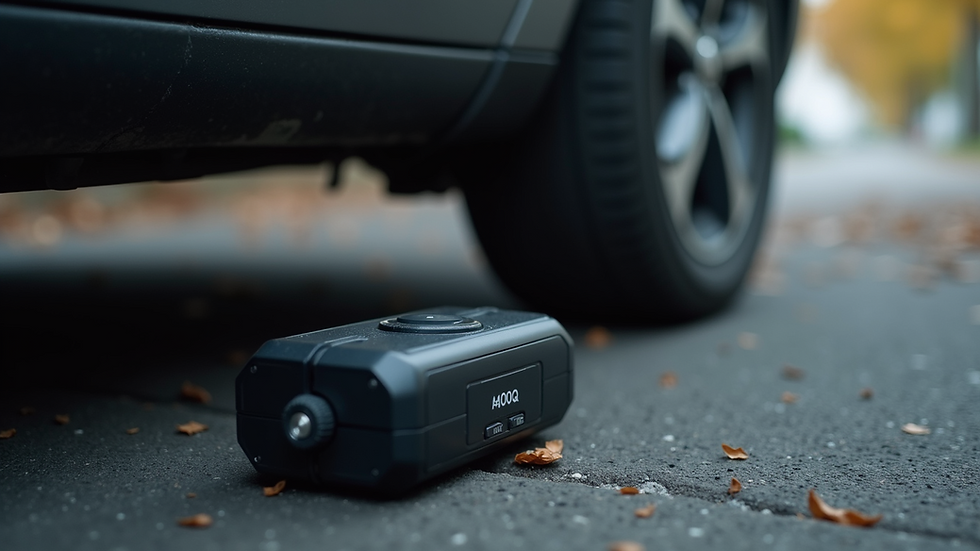
GPS tracking involves using a device to monitor the location of a person, vehicle, or object in real time or over a period. Private investigators use GPS tracking to gather evidence in cases such as infidelity, child custody disputes, insurance fraud, and missing persons investigations. The technology provides continuous data that can confirm or refute claims, helping investigators build stronger cases.
However, GPS tracking is not simply a technical matter. It intersects with privacy rights and laws designed to protect individuals from unauthorized surveillance. Understanding these laws is crucial for investigators to avoid crossing legal boundaries.
Federal Laws Affecting GPS Tracking
In the United States, federal law sets some baseline rules for GPS tracking, but much of the regulation happens at the state level. The key federal statute is the Electronic Communications Privacy Act (ECPA), which prohibits unauthorized interception or disclosure of electronic communications. While GPS signals themselves are not communications, the act influences how tracking data can be collected and used.
The Federal Wiretap Act also plays a role by restricting the interception of electronic signals without consent. However, courts have generally ruled that placing a GPS device on a vehicle without consent can violate these laws if it constitutes an unlawful search or invasion of privacy.
State Laws and Variations
State laws vary significantly in how they regulate GPS tracking. Some states require consent from the person being tracked, while others allow tracking if the investigator owns the vehicle or has permission from the owner. Here are examples of different state approaches:
California: Requires consent from the vehicle owner or a court order to place a GPS tracker. Unauthorized tracking can lead to criminal charges.
New York: Prohibits GPS tracking without a warrant or the consent of the person being tracked.
Texas: Allows GPS tracking if the person placing the device owns the vehicle or has permission from the owner.
Florida: Requires consent from the vehicle owner but not necessarily the person driving.
Investigators must research the laws in their specific state before using GPS tracking devices. Ignorance of the law is not a defense in court.
When GPS Tracking Is Legal for Private Investigators
Private investigators can legally use GPS tracking in certain situations:
With consent: If the person being tracked or the vehicle owner agrees, GPS tracking is generally legal.
On vehicles owned by the client: If the client owns the vehicle, investigators can place a GPS device without the driver’s consent.
With a court order: In some cases, investigators can obtain a warrant or court permission to use GPS tracking.
Public places: Tracking a person or vehicle in public spaces where there is no reasonable expectation of privacy may be allowed.
Investigators should always document consent or court orders to protect themselves from legal challenges.
When GPS Tracking Is Illegal
Certain uses of GPS tracking clearly violate the law:
Tracking without consent or court order on someone else’s property: Placing a GPS device on a vehicle or personal property without permission is often illegal.
Tracking private property or individuals in private spaces: Using GPS to monitor someone inside their home or private property without authorization is prohibited.
Harassment or stalking: Using GPS tracking to stalk or harass someone can lead to criminal charges.
Crossing state lines: Tracking across state borders may involve multiple jurisdictions and complicate legal compliance.
Violating GPS tracking laws can result in criminal prosecution, civil lawsuits, and loss of professional licenses.
Practical Tips for Private Investigators Using GPS Tracking
To stay within legal boundaries, private investigators should follow these best practices:
Verify ownership: Confirm who owns the vehicle or property before placing a GPS device.
Obtain written consent: Always get written permission from the client or vehicle owner.
Check local laws: Research state and local regulations before deploying GPS tracking.
Use GPS as part of a broader investigation: Combine GPS data with other evidence to build a strong case.
Keep detailed records: Document all permissions, device placements, and data collected.
Avoid tracking in private spaces: Do not place devices inside homes or private property without explicit permission.
Consult legal counsel: When in doubt, seek advice from an attorney familiar with surveillance laws.
Case Study: GPS Tracking in a Child Custody Dispute
A private investigator was hired by a parent to verify the other parent’s whereabouts during visitation times. The investigator placed a GPS tracker on the vehicle owned by the hiring parent. The GPS data showed the vehicle was taken to locations inconsistent with the custody agreement.
Because the investigator had permission from the vehicle owner and did not track the other parent’s personal vehicle, the evidence was admissible in court. The GPS data helped the court modify the custody arrangement to better protect the child’s interests.
This example highlights the importance of consent and ownership in legal GPS tracking.
Ethical Considerations in GPS Tracking
Beyond legality, private investigators must consider ethical issues:
Respect privacy: Avoid intrusive tracking that invades personal privacy without justification.
Avoid harassment: Do not use GPS tracking to intimidate or harass individuals.
Be transparent with clients: Explain the limits and risks of GPS tracking.
Use data responsibly: Protect sensitive information and avoid misuse.
Ethical conduct builds trust and maintains the integrity of the investigation profession.
Summary and Next Steps
GPS tracking offers valuable tools for private investigators but comes with strict legal and ethical responsibilities. Investigators must understand federal and state laws, obtain proper consent, and use GPS devices carefully to avoid legal trouble. When used correctly, GPS tracking can provide clear, objective evidence that supports investigations.
If you are a private investigator considering GPS tracking, start by researching your state’s laws and consulting legal experts. Always prioritize transparency, consent, and respect for privacy in your work. This approach will help you use GPS tracking effectively and responsibly.
Disclaimer: This post provides general information about GPS tracking laws and is not legal advice. Laws vary by jurisdiction and change over time. Consult a qualified attorney for advice specific to your situation.


Comments